Day Sixteen: Rituals of Data Collection
SDS 237: Data Ethnography
What are rituals?
- Stylized repetitive activities engaged in different cultural contexts
- May involve words, gestures, movements, exchanges
- Can sometimes be taken-for-granted and other times front and center
- Mark the shared beliefs of a social group and membership in a community
What are some examples of rituals in communities that you identify with?
Turn to a neighbor and discuss:
- How might this ritual be taken for granted by different social groups?
- What are some of the shared beliefs that shape the rationale for engaging this ritual?
What were the shared beliefs about data discussed in today’s reading? What did data collectors care about?
Turn to your neighbor and discuss:
- Why do people try to do this?
- What meaning does it have for the data?
- How does it shape the environments/social worlds for the people that engage in this “ritual”?
Participant Observation (cont.)
Tips for Taking Field Notes
- Record the date, time, and place of data collection
- Record as much detail as you can about what you observe
- Leave space in notes to expand later
- Use abbreviations and shorthand when possible
- Create maps and graphics to help you remember details
Expanding Field Notes
- Schedule a time to do it shortly after observation
- Convert your notes into a descriptive narrative
- Layer interpretations of your observations
Discussion
What did our ethnographers notice about the data collection? What questions did our data collectors have about how to measure the height of a student?
What were our shared goals and beliefs about what would make “good data”?
How did the rituals we designed shape the data? How did we organize ourselves to create pathways for the data to be comparable?
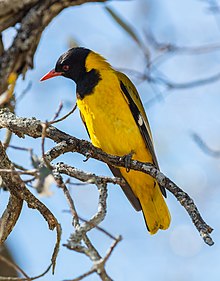
North American Bird Breeding Survey
- Introduced by Chan Robbins in 1966 as a result of rising concerns about the effects of DDT on bird populations
- Aims to measure trends in bird populations over time
- Not a total population count
- Results in a longitudinal dataset of bird species counts at different stops along standardized routes
![]()
Diego Delso
Take-aways
- Shared aims of making data comparable, clean, and well-cared for are held by data collectors
- Environmental forces constantly threaten these aims
- Data collectors organize their social worlds towards these aims (e.g. establishing rituals)
- This shapes the context of recorded data